← Back to Track Roster



Jerez de la Frontera, Andalusia, Spain
Circuito de Jerez - Ángel Nieto (Moto)
Road Course
Active
$14.95
Circuit Configuration Specs
Track Distance
2.748 miles
Total Corners
13 turns
Grid Capacity
60 cars
Max Cars
60 cars
Pit Stalls
24
Pit Speed Limit
None mph
Solo Laps
5
Qualifying Laps
2
Features & Sim Customization
AI Racing Supported
YES
Dynamic Rain Simulation
YES
Night Lighting Infrastructure
NO
Fully Lit Circuit Environment
NO
Pit Lane Collisions
ALLOWED
Rolling Starts Setup
ALLOWED
Standing Starts Setup
ALLOWED
Supports Grip Compounds
NO
Regional Context
Local Time Zone
Europe/Madrid
Season Schedule
Opens: 2023-01-01
Closes: 2023-12-31
Map Location
Google Maps →
Official Website
Visit →
Database Context
Track Release Date
2023-03-07
Internal SKU
10551
Track/Package IDs
474/428
Directory
jerez\moto
Track Details & History
Opened in December 1985 and hosting its first Spanish Grand Prix just four months later, Circuito de Jerez has been one of the premier racing facilities in Spain for nearly four decades. It brought the World Driver’s Championship back to the country after a four-year hiatus, and even after giving up full-time status to Barcelona in 1991, returned as host of the European Grand Prix multiple times—most notably as the season finale in 1997, when Jacques Villeneuve and Michael Schumacher set up a title-deciding thriller by posting identical qualifying laps and colliding during the race, with Villeneuve surviving the collision and winning the title.
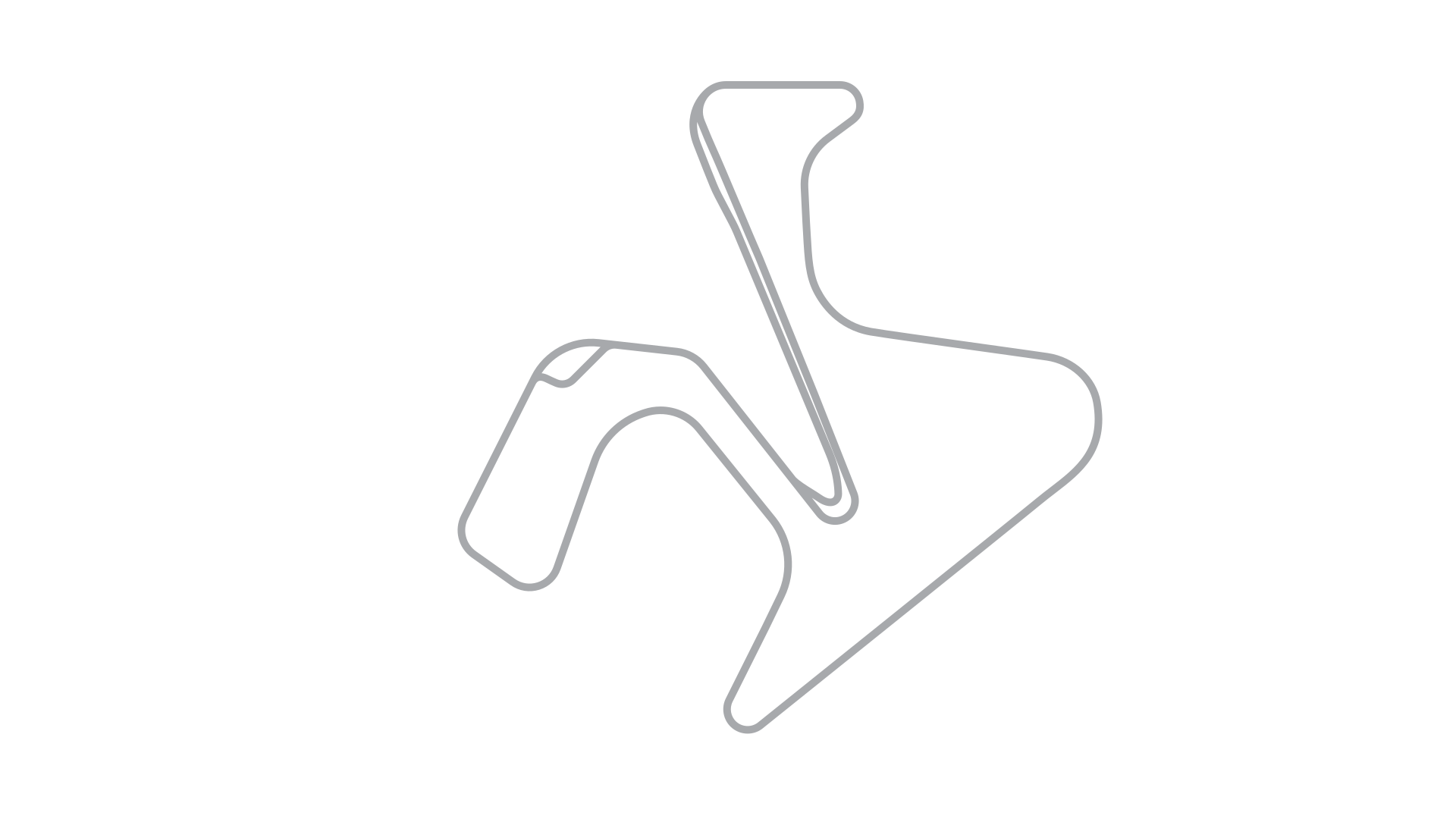
Jerez has only seen minor modifications since it was first opened, settling into its current 2.751-mile, 15-turn layout in 1994. Many of these are tight, heavy-braking corners, such as the Curva Dry Sac where Villeneuve and Schumacher made contact, or the Curva Lorenzo that sets drivers up for the final straightaway. The track also features a chicane named for Ayrton Senna, who won the 1986 and 1989 Spanish Grands Prix.